Illustration / Posters
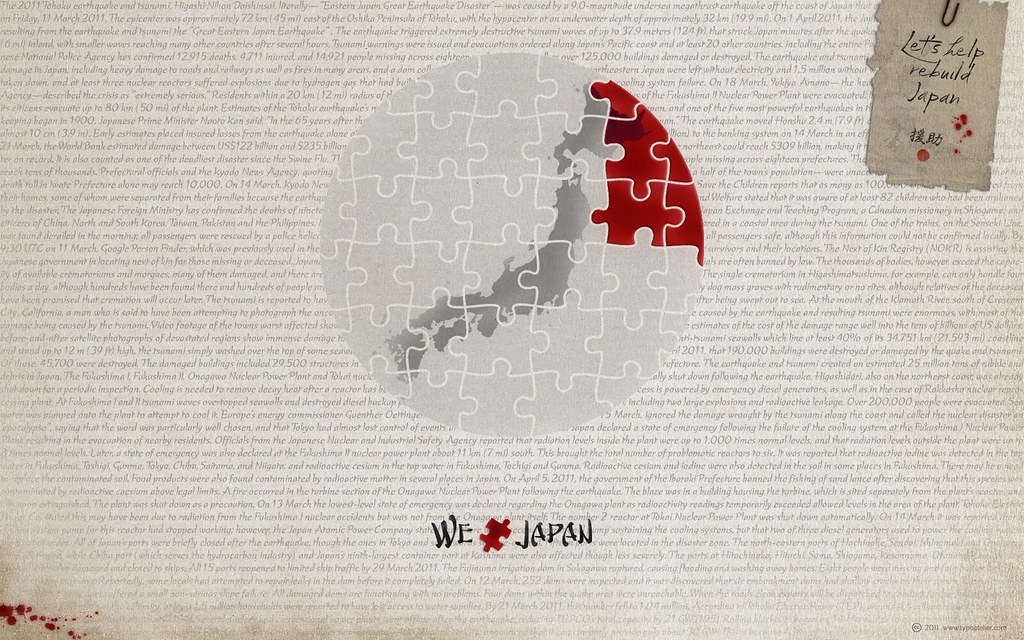
Posters and illustration are more than decorative elements; they are powerful tools of visual communication that can distill complex ideas into singular, memorable images. At JAMESJAMESJAMES Creative, we approach each illustration and poster project as an opportunity to tell a story that resonates with audiences across both digital and physical spaces. From hand-drawn sketches to digitally refined masterpieces, our portfolio showcases a range of work that blends artistic intuition with strategic design thinking. In this article, we explore the craft behind our illustrations and posters, the principles that guide our work, and the evolving role of these media in contemporary design.
The Art of Visual Storytelling
Illustration is the art of conveying narrative through images. Unlike photography, which captures a moment as it exists, illustration allows the artist to construct reality, emphasizing certain elements, exaggerating features, or inventing entirely new worlds. This flexibility makes illustration an invaluable tool for brands and publishers who need to communicate abstract concepts, evoke specific emotions, or stand out in a crowded visual landscape. A well-executed illustration can simplify a complex message, add warmth to a corporate identity, or create a sense of whimsy that stock imagery cannot match.
Historically, illustration has been used to illuminate stories in books, newspapers, and magazines, but its role has expanded far beyond editorial contexts. Today, illustrations appear in user interfaces, social media campaigns, packaging, and environmental graphics. The rise of digital media has not diminished the value of hand-drawn or painterly styles; instead, it has broadened the possibilities for experimentation and cross-media application. At JAMESJAMESJAMES Creative, we embrace both traditional techniques and modern digital tools to create illustrations that feel timeless yet contemporary.
One of the key strengths of illustration is its ability to convey emotion and personality. Whether through a bold color palette, a quirky character design, or a delicate line drawing, illustrations can evoke feelings that are often difficult to achieve with photography alone. This emotional resonance is particularly important in branding, where connecting with audiences on a personal level can turn a one-time buyer into a loyal advocate. Our team works closely with clients to understand their brand's voice and translate it into visual elements that are both beautiful and meaningful.
Why Illustration Matters in a Digital Age
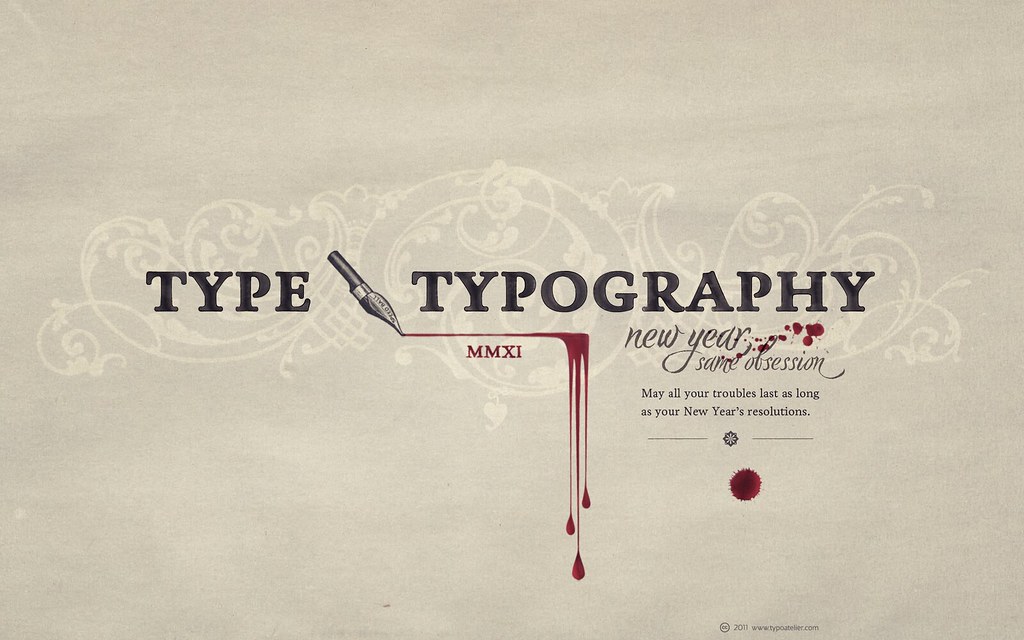
In an era dominated by stock photography and AI-generated images, original illustration offers authenticity and human touch. A hand-crafted illustration carries the unique style and perspective of the artist, making it immediately recognizable and difficult to replicate. This uniqueness builds brand trust and memorability, especially in saturated markets. Moreover, illustrations can be tailored to fit any brand tone—minimalist and geometric for a tech startup, or rough and organic for an artisanal product—ensuring visual consistency across all touchpoints.
- Visualizing abstract concepts: Ideas like growth, innovation, or community can be depicted through metaphorical imagery that is both engaging and easy to understand.
- Flexibility in style: Illustrations can adapt to different cultural contexts and design languages without losing their core identity.
- Timeless appeal: Unlike photography trends that may date quickly, a well-designed illustration can remain relevant for years.
- Enhanced storytelling: Illustrations can add layers of meaning that complement written content, creating a richer narrative experience.
The Poster as a Canvas
The poster has a rich history as a medium for both commercial advertising and social commentary. From the bold lithographs of Henri de Toulouse-Lautrec in 19th-century Paris to the psychedelic concert posters of the 1960s, posters have always been at the intersection of art and public communication. A successful poster must grab attention from a distance, communicate its message quickly, and leave a lasting impression. It is a discipline that demands clarity, creativity, and a deep understanding of visual hierarchy.
Posters come in many forms: advertising posters for products and events, informational posters for public awareness, motivational posters for workplaces, and artistic posters meant purely for decoration. Each type requires a different approach, but all share the same goal: to communicate effectively in a single glance. At JAMESJAMESJAMES Creative, we design posters that not only inform but also inspire, using illustration, typography, and layout to create striking compositions that stand out in any environment.
Design Principles for Effective Posters
Creating an effective poster involves careful consideration of several design principles. These principles ensure that the poster not only looks good but also fulfills its communicative purpose. Here are the key elements we focus on in every poster project:
- Clear visual hierarchy: Guide the viewer's eye from the most important element—such as a headline or central image—to secondary details like supporting text or calls to action.
- Bold imagery: Use striking illustrations or graphics that can be understood at a glance, even from across a room.
- Limited color palette: Restricting colors increases impact and improves recognition; a restrained palette often feels more sophisticated and cohesive.
- Typography integration: The text should complement the imagery, not compete with it. Custom lettering or carefully chosen typefaces can elevate the overall design.
- White space: Proper use of negative space allows the design to breathe and prevents visual clutter.
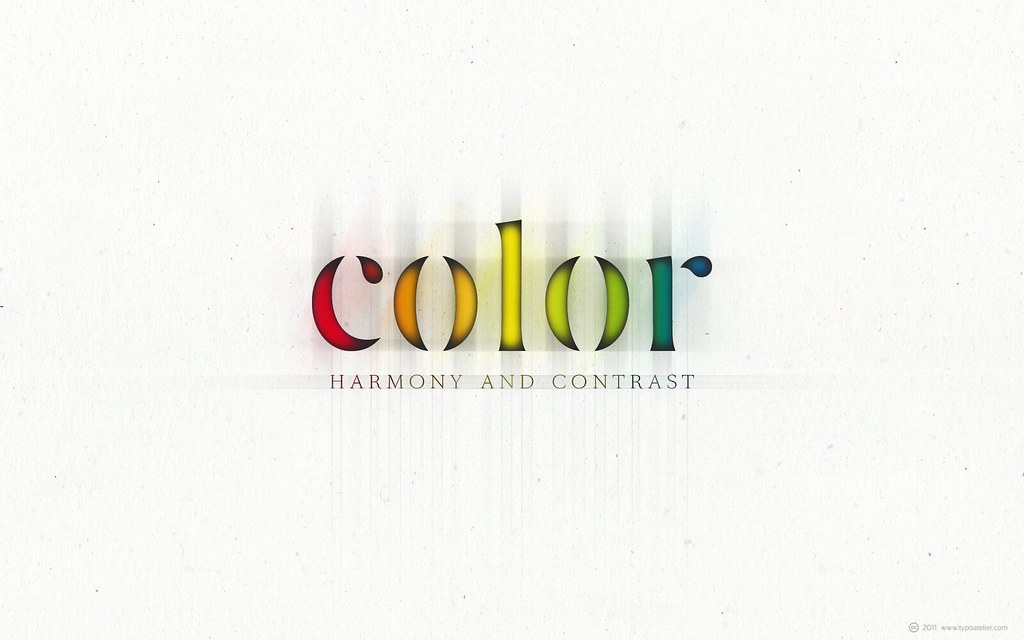
These principles are not rigid rules but rather guidelines that can be adapted to suit the specific goals of each project. For example, a poster for a music festival might embrace a chaotic, high-energy layout, while a corporate event poster would benefit from a cleaner, more structured approach. Our team experiments with different combinations to find the perfect balance for each client.
Blending Illustration with Graphic Design
Illustration and graphic design are often seen as separate disciplines, but they are most powerful when combined. A logo with a custom illustration, a brochure with hand-drawn icons, or a website with illustrated hero sections all benefit from the synergy between artistic expression and structured layout. Our work in Graphic Design / Identity frequently incorporates original illustrations to create cohesive brand systems that are both functional and visually engaging. This integration ensures that every piece of collateral—from business cards to social media graphics—feels part of a unified whole.
When we blend illustration with graphic design, we start by understanding the brand's core values and personality. Is the brand playful or serious? Modern or traditional? These attributes inform the style of illustration, color choices, and overall composition. We then develop a visual language that can be applied consistently across different media, ensuring that the brand remains recognizable whether it appears on a tiny mobile screen or a large billboard. This holistic approach is what sets our work apart and delivers real value to our clients.
Illustration is not just decoration; it's a strategic tool that can transform a brand's story into a visual language.
Our design process is collaborative and iterative. We present initial concepts, gather feedback, and refine until the client is thrilled with the result. This ensures that the final illustration or poster not only looks beautiful but also aligns perfectly with the brand's messaging and objectives.

The Creative Process: From Concept to Final Print
Every project begins with a deep dive into the client's brand, target audience, and objectives. We conduct research to understand the competitive landscape and identify opportunities for differentiation. This discovery phase is crucial because it lays the foundation for all creative decisions that follow. We then move into the ideation stage, where we sketch rough concepts—often dozens of them—to explore different directions. These sketches are shared with the client for feedback, and from there, we select the most promising ideas for further development.
Once a concept is approved, we refine it digitally, paying close attention to line work, color, and composition. This is where the illustration truly comes to life. We experiment with different color palettes, adjust proportions, and integrate typography if needed. The final step is production, where we prepare files for print or digital use, ensuring they meet the highest quality standards. Throughout this process, we maintain open communication with the client, providing updates and incorporating feedback at every stage.
Tools and Techniques
We employ a mix of traditional and digital tools to achieve the desired result. Many illustrations start as pencil sketches or ink drawings, which are then scanned and enhanced digitally using software like Adobe Illustrator or Procreate. This hybrid approach allows for the warmth of hand-drawn lines with the precision and flexibility of digital editing. For posters, we also consider the printing process early on, whether it's screen printing, large-format inkjet, or offset lithography, as these methods can influence design choices such as color saturation and paper stock.
In addition to technical skills, we bring a deep understanding of art history and design theory to every project. This knowledge enables us to create work that is not only visually appealing but also culturally relevant and conceptually strong. Whether we're referencing mid-century modern poster design or contemporary illustration trends, our goal is always to produce work that feels fresh and original.
Illustration in Branding and Marketing
In branding, illustration can be a powerful differentiator. It can create a unique visual language that extends across packaging, social media, advertising, and even physical spaces. For example, a food brand might use whimsical illustrations of ingredients to convey freshness and authenticity, while a tech company might use clean, geometric illustrations to communicate innovation and precision. The key is to match the illustration style to the brand's personality and the emotions it wants to evoke in its audience.
Illustration also plays a crucial role in marketing campaigns, where it can simplify complex information, add humor, or evoke nostalgia. An illustrated infographic can make data more accessible, while a series of illustrated characters can make a campaign more relatable and shareable. Our portfolio includes illustrations for everything from product launches to event posters, each tailored to resonate with the intended audience. Explore our Gallery to see more examples of how illustration brings campaigns to life.
One of the greatest advantages of using illustration in branding is its ability to transcend language barriers. A well-designed illustration can communicate an idea universally, making it an excellent choice for global brands. Additionally, illustrations are highly versatile: they can be scaled up or down without losing quality, recolored to fit different campaigns, or even animated for digital use. This flexibility makes illustration a cost-effective long-term investment for any brand looking to build a distinctive visual identity.
The Future of Illustration and Posters
As technology evolves, so does the field of illustration. We are seeing exciting trends such as 3D illustration, animated posters, and interactive designs that respond to user input. Augmented reality (AR) is also opening new possibilities for posters that come alive when viewed through a smartphone. These innovations are expanding the boundaries of what a poster can be, transforming static images into immersive experiences. At the same time, there is a growing appreciation for sustainable printing practices and the tactile quality of physical posters in a digital world. Many clients now seek eco-friendly materials and processes, and we are committed to incorporating sustainable options whenever possible.
Despite these advancements, the core principles of good design remain unchanged. A successful poster or illustration still needs to be clear, engaging, and memorable. Technology is merely a tool that enhances our ability to achieve those goals. At JAMESJAMESJAMES Creative, we stay ahead of trends while remaining grounded in timeless design principles. Whether you need a single stunning poster or a comprehensive illustration system, we are ready to bring your vision to life.
In conclusion, illustration and posters are not just relics of a bygone era; they are living art forms that continue to evolve and inspire. They allow brands to express their identity in ways that are both beautiful and effective. We are proud to contribute to this rich tradition and look forward to creating work that leaves a lasting impression. Visit our Graphic Design / Identity page to learn more about our integrated approach, or browse the Gallery for a closer look at our recent projects.